



5 examples of multi-channel marketing campaign scenarios
22 August 2022
5 examples of multi-channel marketing campaign scenarios
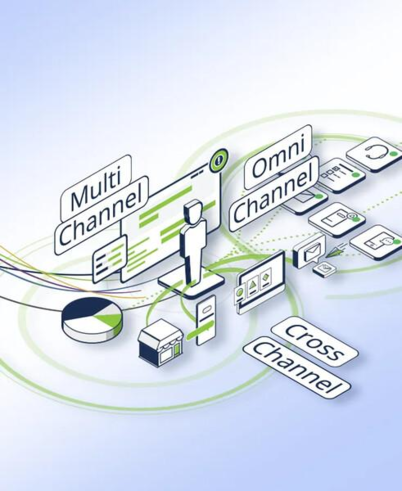
Multichannel marketing has become essential for businesses wishing to optimise their interactions with consumers. This approach, which involves using several communication channels in a complementary way, offers numerous benefits: improved customer satisfaction and loyalty, increased revenue, cost optimisation… However, to be effective, a multi-channel marketing strategy must be well thought out and tailored to consumer behaviour. In this article, we’ll look at what distinguishes multichannel from cross-channel and omnichannel, the key steps to building a successful strategy, and five examples of successful multichannel campaigns from which you can draw inspiration.
Multichannel, cross-channel, omnichannel: what are the differences?
Before setting out to develop a strategy, it is important to fully understand the nuances between the different approaches to multi-channel marketing. Here are the main characteristics of each:
Multichannel marketing
Multichannel marketing involves using several communication channels (website, physical shop, social media, email, etc.) to engage with consumers. The aim is to increase the number of touchpoints, without necessarily seeking strong consistency across the different channels. Each channel operates relatively independently.
The advantage of a multi-channel approach is that it reaches consumers via different media, adapting to their habits and preferences. This helps to broaden the reach of campaigns and boost brand visibility. However, the customer experience can become fragmented if messages and content differ too greatly from one channel to another.
Cross-channel marketing
Cross-channel marketing goes a step further by creating bridges between the different channels. The idea is to enable the consumer to move seamlessly from one channel to another throughout their purchasing journey. For example, a customer might spot a product in-store and then complete their purchase on the brand’s website. The channels complement one another and interact with each other.
This approach requires effective coordination between the teams responsible for the different channels, as well as efficient customer data management to ensure continuity throughout the journey. The aim is to offer a more consistent and engaging experience, supporting the consumer at every stage.
Omnichannel marketing
Omnichannel marketing takes the cross-channel approach to its fullest by integrating all channels in a coherent and unified manner. Whichever channel is used, the customer enjoys the same experience and the same level of service. The channels work in synergy to deliver a seamless customer journey.
This requires a high degree of integration between information systems and a 360° view of the customer. Preferences and purchase history are shared in real time across the various channels, enabling a high degree of personalisation in customer relations. This is the most advanced model, but also the most complex to implement.
In summary, whilst a multi-channel approach focuses on the proliferation of channels, cross-channel and omnichannel approaches emphasise their complementarity and consistency to enhance the customer experience. A well-executed omnichannel strategy fosters engagement and loyalty, and ultimately drives revenue growth.
How to build a multichannel marketing strategy in 5 steps
Implementing an effective multichannel strategy requires in-depth consideration and a rigorous approach. Here are the five key steps to follow:
1. Identify your buyer persona
It all starts with a thorough understanding of your target audience. The concept of a ‘buyer persona’ involves defining a typical customer profile, based on demographic data (age, gender, location, etc.), behavioural information (purchasing habits, media usage, etc.) and qualitative insights (motivations, barriers, expectations, etc.).
To build your buyer persona, you can draw on the customer data you have available (CRM, surveys, analytics, etc.), as well as qualitative interviews with a sample of customers or prospects. The aim is to go beyond raw data to gain an in-depth understanding of your target audience’s challenges and aspirations.
This step is crucial, as it will guide your choice of channels and messaging. By accurately identifying your persona’s expectations, needs and preferences, you’ll be able to develop a relevant and resonant strategy.
2. Choosing the right channels
Once you have identified your buyer persona, you need to determine the most suitable channels for reaching them. This involves analysing their media consumption habits and their preferred points of contact with brands.
For example, if your target audience is very active on Instagram and regularly checks online reviews before making a purchase, you should focus on these two channels in your strategy. Conversely, if they are not very receptive to email marketing, there is no point in concentrating your efforts on this channel.
Each channel has its own specific characteristics in terms of format (text, images, video, etc.), tone (formal, casual, etc.) and audience (young people, higher socio-professional categories, etc.). You need to take these into account to optimise your presence and your investment. The idea isn’t necessarily to be present everywhere, but to select the most relevant channels based on your objectives and resources.
3. Tailor your message to each channel
To get the most out of each channel, it’s essential to tailor your communication. A message designed for an advertising poster won’t work as it stands in an email or a social media post.
You need to take into account the conventions and best practices of each platform, as well as the context in which your message will be received. For example, static content will be more suitable for a blog post, whilst an ephemeral story will have greater impact on Instagram.
Tailoring also involves personalising the message based on the data you have about the user (interests, purchase history, etc.). The targeting capabilities offered by digital marketing allow you to deliver a highly relevant message at the right moment in the customer journey.
The aim is to deliver the right message, at the right time, via the right channel, to maximise engagement and conversion. A ‘one-size-fits-all’ approach is no longer suitable in the age of multi-channel marketing!
4. Ensure a consistent and seamless experience
Whilst each channel has its own specific characteristics, it is important to ensure the overall consistency of your communication. Your brand identity, key messaging and brand promise must be reflected across all platforms.
The customer experience must be seamless and consistent across all channels. You need to consider the connections between channels to enable users to navigate without friction. For example, a product spotted in an advert must be easy to find on the brand’s e-commerce site.
A well-thought-out cross-channel strategy optimises the customer journey and drives conversions. It requires close collaboration between the teams responsible for the various channels (marketing, sales, customer service, etc.) to ensure consistent communication and service standards.
5. Automate and optimise
Automation is a powerful tool for effectively orchestrating a multi-channel strategy. Tools such as Actito allow you to programme cross-channel activation scenarios, triggering the right message based on the user’s behaviour.
For example, a customer who has added a product to their basket without completing their purchase may receive a personalised follow-up email a few hours later. If they do not respond, a reminder text message can be sent the following day. And if they visit a shop, sales staff can access their purchase history to offer them personalised assistance.
Automation also enhances responsiveness and personalisation. By drawing on customer data, it becomes possible to deliver bespoke communications at the most opportune moment. This is sure to boost engagement and customer loyalty!
Finally, performance analysis is key to optimising your strategy as part of a continuous improvement approach. By measuring results on a channel-by-channel basis (open rates, click-through rates, conversion rates, etc.), you can identify the most effective levers and adjust your tactics accordingly. A tool such as Actito enables you to track your campaigns’ performance in real time and manage your business from every angle.
In summary, a successful multi-channel strategy is built on a detailed understanding of your target audience, a relevant choice of channels, tailored messaging, a seamless customer experience and intelligent automation. A structured and well-equipped approach is the key to making the most of the potential of a multi-channel strategy!
5 examples of successful multi-channel strategies
Now that we’ve looked at the key steps to building a multichannel strategy, it’s time for some inspiration! Here are 5 examples of brands that have successfully harnessed the potential of multichannel to boost their business.
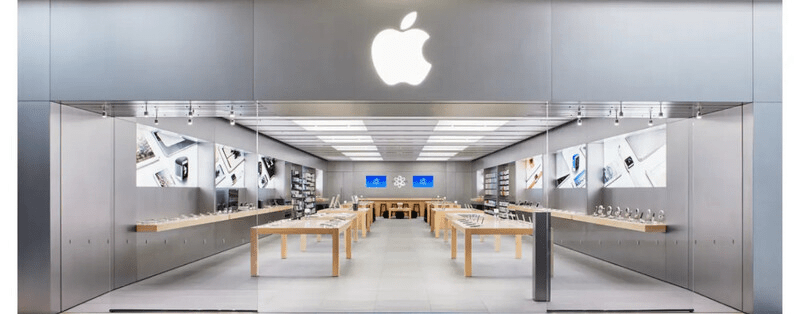
1. Apple: effective synergy between physical shops and the e-commerce site
The American giant recognised very early on the importance of offering a consistent and seamless customer experience across its various channels. Apple’s e-commerce site stands out for its user-friendliness and simplicity, allowing users to easily find the products they’re looking for and complete their purchase in just a few clicks.
But Apple also places great emphasis on its Apple Stores, veritable temples to the brand where customers can discover and try out products in a premium environment. Sales staff act as advisers, and even trainers, to help customers get the most out of their devices.
The synergy between physical shops and the e-commerce site is particularly well thought out. For example, a customer can reserve a product online and collect it in-store, or book an appointment with an expert via the Apple Store app. A seamless experience that boosts customer engagement and loyalty!
2. Starbucks: a well-established cross-channel loyalty strategy
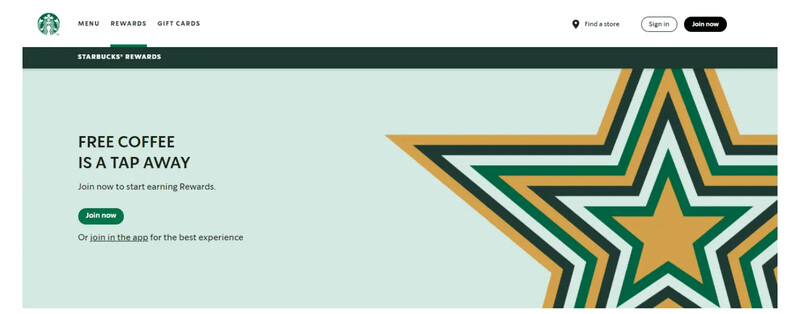
The coffee shop chain has made customer loyalty its flagship initiative. At the heart of its strategy lies its loyalty programme, embodied by the Starbucks Card. This card allows customers not only to pay for their purchases but also to collect stars with every purchase, which can be redeemed for rewards (free drinks, discounts, etc.).
The Starbucks Rewards mobile app complements this system by digitising the card and allowing users to track their balance, stars and available rewards. It also includes mobile payment and online ordering features.
Through this cross-channel programme, Starbucks rewards customer loyalty regardless of the channel used, and collects valuable data to personalise its offers and communications. It’s a virtuous circle that boosts purchase frequency and brand loyalty!
3. FNAC: special offers reserved for members across multiple channels
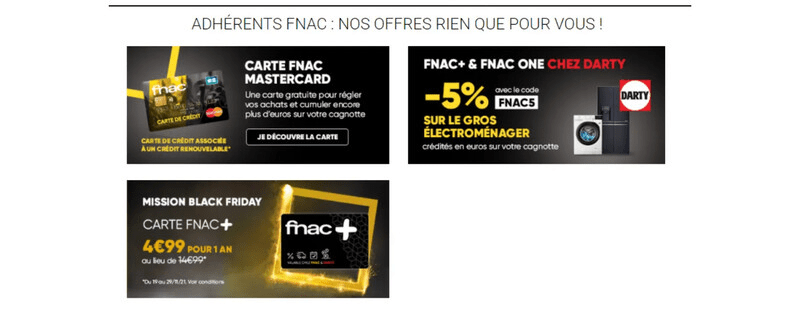
The French cultural retailer has also invested in a membership programme to build customer loyalty. FNAC cardholders enjoy numerous benefits: exclusive promotions, priority access to private sales, free delivery…
To engage this community of members and drive footfall in-store, FNAC regularly organises special promotions, such as flash sales reserved for cardholders. These offers are communicated via several channels: email, text messages, push notifications… The aim is to create a sense of exclusivity and urgency to encourage members to visit the shop.
This cross-channel strategy enables FNAC to reward its most loyal customers by offering them a VIP experience. It’s an effective way to get them to return to the shop and boost sales!
4. Under Armour: a high-impact cross-channel digital presence
The American sportswear brand has seamlessly integrated digital strategies to engage its community. Highly active on social media (Facebook, Instagram, Twitter, etc.), it shares inspiring content and practical advice to help its fans improve their sporting performance.
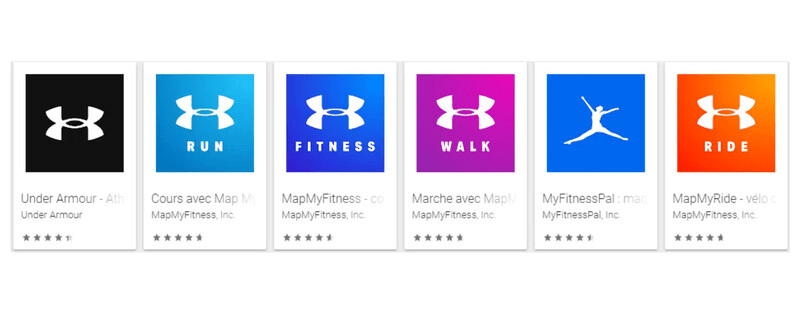
Under Armour has also developed several mobile apps, such as MapMyRun and MyFitnessPal, which allow users to track their performance, plan their workouts and set themselves challenges. These apps act as virtual coaches, strengthening the daily connection with the brand.
By seamlessly integrating its various digital touchpoints, Under Armour offers its customers a smooth and engaging cross-channel experience. A strategy that pays off in boosting brand awareness and brand preference!
5. Burberry: a social media strategy designed to boost brand awareness and sales

The famous British luxury brand has made social media a cornerstone of its digital strategy. With a presence on the main platforms (Facebook, Instagram, Twitter, Pinterest, etc.), it shares premium content that blends inspiration and storytelling to inspire its community.
Burberry also uses social media to build connections with its customers and prospects, by answering their questions and sharing their content (photos, videos, etc.). This sense of closeness strengthens brand loyalty.
But Burberry goes a step further by using social media as genuine sales channels. The brand offers exclusive deals and sneak previews of product launches, with direct links to its e-commerce site. It’s a cross-channel strategy that boosts brand awareness and turnover!
These five examples show that a multi-channel approach offers numerous opportunities to enhance the customer experience and boost performance. So, it’s up to you! Identify the most relevant channels for your brand and build seamless, engaging customer journeys. And if you need a helping hand, Actito is here to support you in setting up your multi-channel campaigns!
Key takeaways
Multichannel marketing offers fantastic opportunities to enhance the customer experience and boost business performance. By increasing the number of touchpoints and skilfully orchestrating interactions across each channel, brands can create seamless and engaging journeys that boost customer satisfaction and loyalty.
But to fully harness the potential of multichannel marketing, it’s essential to build your strategy methodically. This requires an in-depth understanding of your buyer personas, a strategic choice of which channels to invest in, the careful tailoring of messages and content, and the smart automation of campaigns using dedicated tools such as Actito.
So, draw inspiration from best practices, dare to experiment with new approaches, and measure your results to continuously refine your strategy. With a 360° view and a focus on the customer experience, you have everything you need to turn your multichannel strategy into a real driver of growth!
Discover what Actito can do for you